Wondering when can you eat after a colonoscopy? Learn about post-colonoscopy eating timelines, what to eat, and tips for a gentle recovery.
A colonoscopy is an important medical procedure doctors recommend when there is a need to visualize the colon and rectum, either for routine checkups or to diagnose or treat pathologies.
In the medical community, conversations around what to eat before a colonoscopy and when to commence these diets are common. However, the subjects of post-colonoscopy recovery time and meals are not as popular, even though they are also quite important.
In this piece, we will be looking beyond the colonoscopy preparation by focusing on the pressing question: “When can you eat after a colonoscopy?”
Why Timing Matters After a Colonoscopy
Timing is crucial when it comes to colonoscopy dietary adjustments. You have to start your low-fiber and clear liquid diets at specific times. This helps to ensure that the colon is well-emptied and visibility is at its peak. In the same vein, timing is also vital for post-colonoscopy meals, but for different reasons.
The colonoscopy procedure involves passing a scope through the large intestine. This process often irritates the colon and makes it more sensitive. Additional procedures like polyp removals and the collection of biopsies may further heighten the sensitivity of the colon.
Therefore, it is essential to time your post-colonoscopy meals properly and in accordance with the fragile state of the colon. Failure to do this might trigger symptoms such as abdominal pain, bloating, and discomfort.
When Can You Eat After a Colonoscopy Normally?
Now, let’s answer how soon you can eat normally after a colonoscopy. The standard time to resume your regular diet is 24 hours after your colonoscopy. During the first 24 hours after your procedure, doctors recommend that you have soft foods that are gentle on your sensitive large intestine. Here is a post-colonoscopy eating timetable to guide you:
When Can You Eat After a Colonoscopy? Timelines in Normal Situations
| TIME | FOODS | FOCUS ON |
|---|---|---|
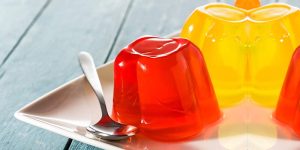
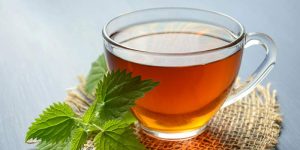
| 0–3 hours (immediately after procedure) | Clear liquids only | rehydration and letting sedation fully wear off. |
| 3–8 hours (once fully alert and no nausea) | Introduce light, low-fiber foods | gentle reintroduction of solids without straining digestion. |
| 8–24 hours (as tolerated) | Soft, low-fiber meals | balanced but still light meals that are easy on the colon. |
| After 24 hours | Regular diet | gradual return to regular diet if no discomfort. |
When Can You Eat After a Colonoscopy in Special Situations?
Special Cases That May Affect Post-Colonoscopy Eating Timelines
While many people can return to eating light meals within hours and resume a regular diet within a day, there are some circumstances where your doctor may recommend waiting longer or making additional adjustments. These include:

Polyp Removal (Polypectomy):
If your doctor finds and removes one or more polyps during your colonoscopy, your large intestine will need more time to heal. Heavy, spicy, or high-fiber foods too soon can increase the risk of irritation, cramping, or even minor bleeding at the polyp site. In these cases, doctors often advise sticking to soft, low-fiber foods for 24–48 hours before gradually reintroducing your regular diet.
Biopsies:
Similar to polypectomies, biopsies create small, raw areas inside the colon that are slightly more vulnerable as they heal. Most people can still begin eating soft foods the same day, but doctors may recommend avoiding anything hard to digest (such as seeds, nuts, or raw vegetables) for a short period. This extra caution helps reduce irritation and keeps you more comfortable.
Extended Sedation or Slow Recovery:
Everyone processes sedation differently. If you were under anesthesia longer than expected or take a little longer to wake up and feel alert fully, your care team might recommend waiting a bit longer before your first sips of liquid or bites of food to prevent nausea, vomiting, or aspiration.
Pre-existing Digestive Conditions:
People with conditions like Crohn’s disease, ulcerative colitis, or irritable bowel syndrome may be advised to ease back into eating more slowly than others. Since their digestive systems are more sensitive, a cautious approach minimizes the risk of flare-ups.
What Should You Eat After a Colonoscopy?
RELATED ARTICLE: What Can You Eat After a Colonoscopy, by Dr Akintomiwa Akinnimi
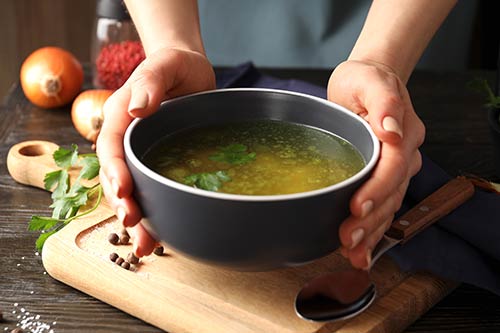
Now that we have answered the question of when, let’s address the obvious next question, what you can eat afterwards. While we have discussed this extensively in our article on what you can eat after a colonoscopy, below is a brief overview of some food options that are perfect for post-procedure eating. For 24 hours after your colonoscopy you should avoid alcohol, high-fiber foods, carbonated beverages, and other meals that can irritate your gut such as heavily greasy, spicy or creamy foods.
Clear Liquids
- Water
- Coconut water
- Clear sports drinks
- Chicken, beef, or bone broths
Low Fiber Foods
- White bread, rice, or pasta
- Peeled and seedless fruits such as bananas, applesauce, or canned peaches
- Plain scrambled or boiled eggs
- Chicken (without the skin), fish, or tofu
Conclusion
Understandably, “how soon can I eat after a colonoscopy” is a common question for those getting set to undergo this procedure. The rule of thumb is 24 hours, but cases may vary for reasons we have explored above. To ensure the smoothest possible post-colonoscopy recovery, remember to liaise with your medical team and adhere to the agreed-upon instructions.