Preparing for a colonoscopy and wondering what is the clear liquid diet? In this introductory guide, you’ll learn what the clear liquid diet is, why it’s recommended and tips to help you through.
If you have been scheduled for a colonoscopy, you may be wondering how to prepare for it properly. This article addresses a common question and critical aspect of colonoscopy preparation – what is the clear liquid diet?
A colonoscopy is done to visualize the colon when a person presents with symptoms suggestive of a colorectal tumor, such as abnormal changes in bowel habits (constipation alternating with diarrhea), hematochezia/melena (passage of blood in stool), sudden significant unintentional weight loss, and so on. Other reasons why a colonoscopy may be done include examining and removing polyps (polypectomy), locating and removing foreign objects, screening and surveillance of colorectal cancer, etc.
Due to the importance and seriousness of this procedure, it is therefore important to ensure that you prepare for the colonoscopy correctly. Your doctor has most likely given you some guidance and information on this already, and if in doubt, always speak to your personal doctor or health professional.
This article is part of our Complete Guide to Colonoscopy Preparation, which includes a full prep timeline, diet guidelines, and practical tips.
This article was originally published in February 2024, and updated in July 2025 to improve reader helpfulness.
What is Colonoscopy Preparation?
Colonoscopy preparation refers to a series of steps that must be taken before a colonoscopy to ensure a successful procedure. Proper preparation for a colonoscopy – including a clear liquid diet – helps to ensure success and minimize discomfort during the procedure. See our Complete Guide to Colonoscopy Preparation for the full series of steps, timeline, and helpful tips.
The main aspect of colonoscopy preparation is bowel preparation. Bowel preparation involves dietary changes and medication use, with the aim to induce stool passage and reduce the fecal content in the colon. Some advantages of preparing the bowel correctly and sticking to a clear liquid diet include:
VISIBILITY: A clear and accurate view of the colon is critical to successfully carry out a colonoscopy and achieve the purpose of the procedure. An empty colon helps the medical examiner to accurately identify, locate, and examine lesions. Clearer visibility of the colon reduces the possibility of the examiner missing anatomical anomalies in the colon.
REDUCED RISK OF INFECTION: Reduced fecal load means reduced bacterial load, which consequently reduces the risk of infection during and after the colonoscopy.
INCREASED ACCURACY: Each colonoscopy result is compared to the last during colorectal cancer treatment and surveillance. Hence, adequate colonoscopy preparation before every colonoscopy session will help provide accurate comparison results.

QUICKER PROCEDURE: Quicker procedure time as less time will be spent trying to maneuver feces.

What is the Clear Liquid Diet?
As already established, some alterations in diet are required in bowel preparation for colonoscopy. Some of these alterations include intake of a low-residue diet, abstinence from high-residue foods, and, as the colonoscopy date draws near, a clear liquid diet.
What is the clear liquid diet? A clear liquid diet for colonoscopy preparation is a diet that consists mainly of low residue, transparent, liquid – and sometimes semi-solid – foods. A clear liquid diet is typically required for medical procedures that involve the gastrointestinal tract. Aside from a colonoscopy, other medical procedures that utilize a clear liquid diet are:
- Diagnostic or therapeutic gastroscopy
- Barium enema
- Surgeries involving the gastrointestinal tract
- Robotic Radical Cystectomy
- Robotic Radical Prostatectomy
- Splenectomy
A clear liquid diet usually commences one day (24 hours) before a colonoscopy. The most common clear liquid that is taken is water. However, certain other fluid feeds can be taken on a clear liquid diet, as explained further down.
What is the Clear Liquid Diet required for?
Due to the restrictiveness of this diet, some people naturally ask what is the clear liquid diet required for and is it really necessary to go through it? When properly curated, a clear liquid diet is nourishing, rejuvenating, and hydrating. It has low residue content and consequently produces reduced fecal matter. It compensates for the laxative effects of bowel preparation by providing water, electrolytes, and nutrients. The clear liquid diet is necessary in helping with:
HYDRATION
Bowel preparation involves the use of drugs, such as laxatives, and mechanical methods, such as enemas, to induce the passage of stool to cleanse the colon. A downside to these measures is that water is lost in the stool, predisposing it to dehydration. A clear liquid diet helps to replenish lost body water.
NOURISHMENT
A clear liquid diet provides calories, vitamins, and electrolytes that keep you energized and help you function optimally without solid foods.
COLON EMPTYING
Different foods have different colon transit times; some are shorter than others. However, it has been found that liquids have a shorter colon transit time than solids. Additionally, the fluid foods incorporated into a clear liquid diet are low-residue foods. This means that they leave little remnants in the colon. These properties help to keep the colon considerably empty while preparing for the colonoscopy.
EASY ACCESS AND VISIBILITY
During a colonoscopy, a colonoscope (a slim, long, and flexible camera) is inserted into the colon through the anus. It is then gently guided along the colon for visual inspection. A clear liquid diet helps to clear the colon. Consequently, it allows the colonoscope to move through the colon easily and clearly visualize the colon.
ACCURATE RESULTS
A clear liquid diet reduces fecal bulk in the colon, creating an unobstructed view and accurate assessment of the colon.
What is the Clear Liquid Diet Allowable Food List?
The clear liquid diet allowable food list, is a list that outlines what foods you are permitted to eat on a clear liquid diet. We have published a Clear Liquid Diet Allowable Food List that you can use, however, you should always follow the advice and food list provided by your doctor as this may include personal recommendations that take into consideration your personal health situation. If in doubt, always speak to your personal doctor or health professional for clarification.
Allowable Foods – Overview
As restrictive as a clear liquid diet may seem, several clear liquid foods can provide energy and suppress hunger. Examples of permissible clear liquids include:
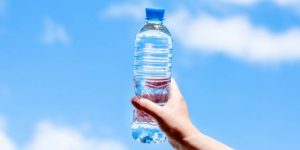
- Water
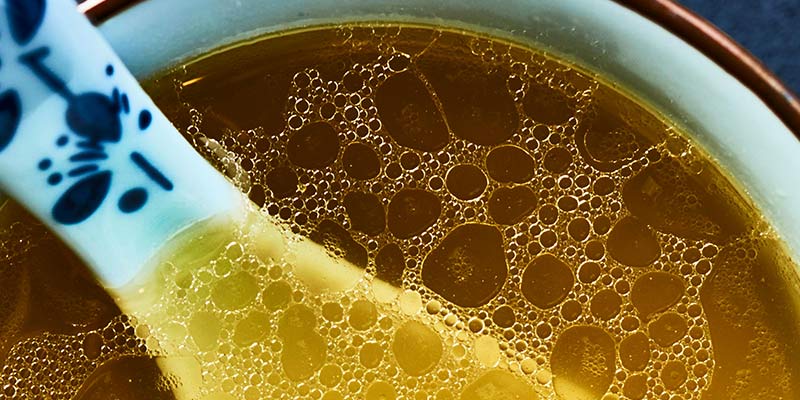
- clear broths (chicken, beef, and vegetable)
- fruit juice (without pulp)
- transparent sports drinks
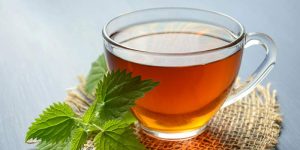
- tea or black coffee (without cream or milk)
- popsicles (without fruit or yogurt)
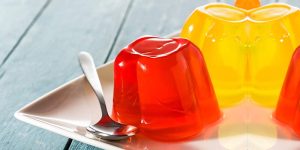
- gelatin (without fruit)
- carbonated drinks
Foods to Avoid – Overview
As explained in our guide on foods you should avoid before your colonoscopy, any foods that are not a clear liquid are not permissible.
Therefore, foods to avoid while on a clear liquid diet in preparation for colonoscopy include foods high in fiber, colored foods, and solid foods.
After gaining an overview of what is the clear liquid diet, many people question the permissibility of alcohol, since it is a clear liquid. Although alcohol is a clear liquid, alcohol should not be consumed while on a clear liquid diet, especially in preparation for colonoscopy. This is because alcohol has dehydrating properties, which work against one of the goals of a clear liquid diet – hydration.
Aside from alcohol, some other foods to avoid while on a clear liquid diet include nuts, whole-grain foods, fruit juice with pulp, vegetables and salad greens, milk and dairy products.
What is the Clear Liquid Diet’s Main Challenges
Starting and, more importantly, adhering to a clear liquid diet in preparation for colonoscopy is difficult. Although the clear liquid diet is temporary, it can be restrictive. This may pose difficulties in maintaining proper nutrition and hydration. However, when armed with adequate information on potential challenges and practical strategies on how to mitigate them, a clear liquid diet becomes easier (and even enjoyable) to stick to.
Clear Liquid Diet Common Challenges
LIMITED FOOD OPTIONS
One of the first concerns that comes to mind when considering a clear liquid diet is the significant reduction in available food options. The absence of solid foods and certain liquids can lead to feelings of unsatisfied cravings as well as the monotony of diet.
NUTRITIONAL DEFICITS
Some clear liquid feeds do not contain all the nutrients required to stay healthy during a clear liquid diet, which can pose a challenge.
EMOTIONAL CHALLENGES
Food plays a role in our emotional lives, although not in the most obvious ways. While on a clear liquid diet, certain celebratory foods (e.g., cakes, pies, turkey) and comfort foods (e.g., chocolates, ice cream, pastries) will be off-limits. Such restriction of emotional expression through food may lead to feelings of frustration.
WITHDRAWAL SYMPTOMS
Alcoholics who embark on a clear liquid diet for extended periods may start to experience alcohol withdrawal symptoms. These symptoms are typically distressing and may hinder day-to-day activities.
FEELING OF INSATIETY
Liquid foods digest faster than solid foods. This means that the feeling of fullness after a liquid meal does not last as long as after a solid meal. Hence, when on a clear liquid diet, it is not unusual to feel hungry more often than usual.
Tips for Getting Through the Clear Liquid Diet
The challenges one may face when on a clear liquid diet are not insurmountable. Here are tips to help you adhere to a clear liquid diet in preparation for a successful colonoscopy. For more tips, see our Complete Guide to Colonoscopy Preparation.
DISCUSS WITH YOUR DOCTORS BEFORE YOU BEGIN
Discuss comprehensively with your doctor and dietitian before starting a clear liquid diet. Ensure this conversation addresses your needs as an individual and how strict your diet must be. If you are also on any medications, make sure to address whether or not you need to adjust its dosage during the diet.
PLAN AHEAD
The first step to success is proper planning. Stock up on permissible fluid feeds and learn new recipes. Doing this helps to prevent – or at least, reduce – feelings of monotony, confusion, and feeling overwhelmed before meals.
INVOLVE YOUR FAMILY AND FRIENDS
The positive impact of a support system when working towards any goal is powerful. A good support system can encourage you and keep you in check on days when you feel frustrated by the diet or you feel like giving up.
INCREASE NUTRITIONAL INTAKE
Opt for healthier liquid food options. Liquids like chicken, beef, and bone broth are significantly more nutritious than soda.
AVOID TEMPTATIONS
Stock your refrigerator with clear liquids and hide solid foods for the duration of the diet. If possible, avoid social gatherings that may force you to break your diet.
Conclusion
Thank you for reading our guide on what is the clear liquid diet for colonoscopy preparation. By the end of this article, you will have now learnt that the clear liquid diet is a vital part of preparing for a colonoscopy. It ensures your doctor has the clearest possible view of your colon while also keeping you hydrated and nourished in the days leading to the test. Water, clear broth, sports drinks, and gelatin are some of the liquids allowed in this diet.
Although sticking to the diet till the end is no easy feat, it ensures the procedure is successful. Remember to ask your doctor and healthcare provider any questions you may have before and during a clear liquid diet in preparation for a colonoscopy.