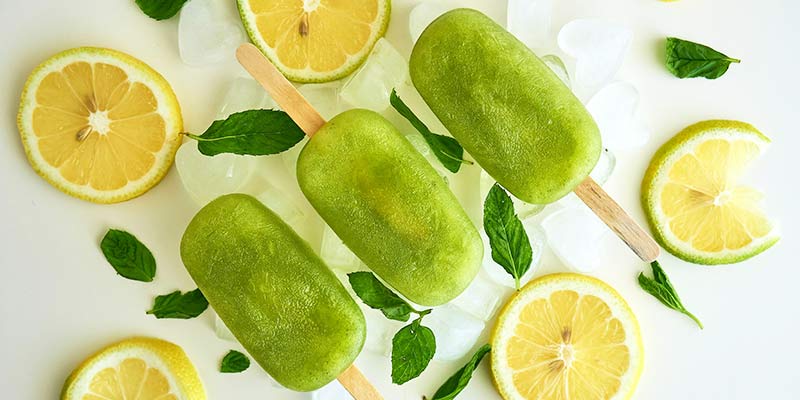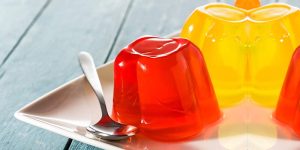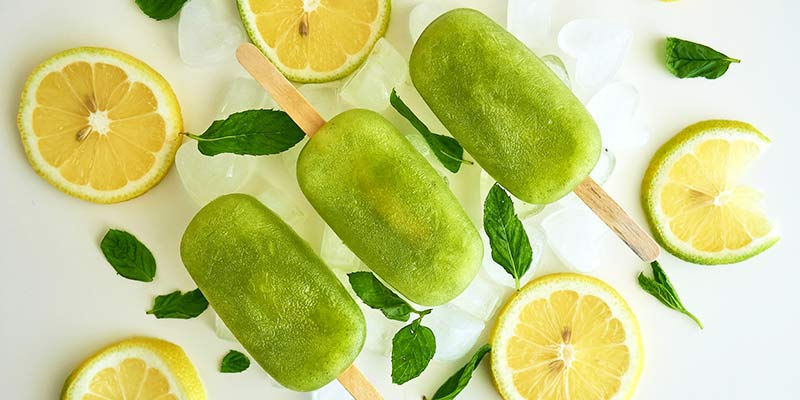
Before indulging, take a moment to learn what color popsicles before colonoscopy are allowed. In this short read, Dr. Akintomiwa explains.
Colonoscopy is a vital procedure for the screening, diagnosis, and treatment of colorectal cancer, and the preparation process must be carefully done. Preparation for a colonoscopy depends heavily on diet, including the low-fiber diet and clear liquid diet. These diets are restrictive and only permit the consumption of a few carefully selected foods. Despite the tight restrictions of the colonoscopy prep diets, some sweets are permissible, such as popsicles.
Many people enjoy popsicles before their procedure, but few patients know what color popsicles before colonoscopy are best. In this article, Dr. Akintomiwa explains why color matters, and what color popsicles before colonoscopy are allowable.
This article was originally published in May 2024, and updated in December 2025 to improve reader helpfulness and readability.
What are Popsicles?
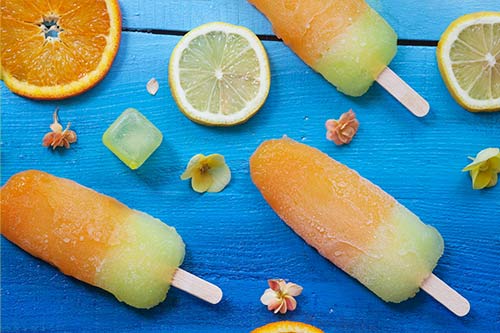
Popsicles are frozen treats invented in 1905 by 11-year-old Frank Epperson. Although Epperson created the first popsicle using soda powder and powder, popsicles have since evolved into the fruity ice-on-stick treats we know today. Popsicles have become so popular that they can be made at home or bought from stores. There are also numerous versions and flavors of this treat.
What Color Popsicles Before Colonoscopy Are Allowed?
When preparing for a colonoscopy, it is essential to keep the colon free of fecal matter as much as possible to increase the visibility of the colon lining during the screening procedure. To achieve adequate intestinal emptying, colonoscopy patients are required to steer clear of high-fiber foods in the days leading up to the procedure. High-fiber foods must be avoided because fiber plays an active role in stool formation.
Furthermore, patients preparing for colonoscopy are advised to drink a lot of water. Staying hydrated while preparing for a colonoscopy is crucial in counterbalancing the dehydrating effects of the laxatives many people are given just before the procedure.
Popsicles – without fruit cuts – are low in fiber and have high water content. These qualities make them suitable for consumption on a pre-colonoscopy diet. However, there is a caveat. Certain types of popsicles are frowned upon by doctors when preparing for a colonoscopy. These popsicles are not to be licked before a colonoscopy because of their colors.
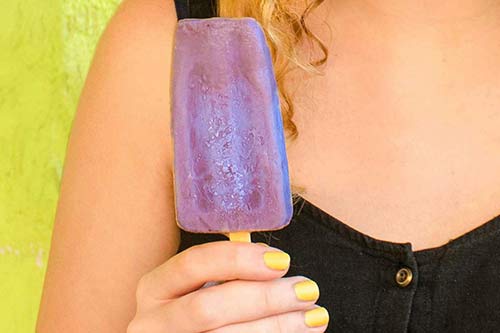
What Color Popsicles Before Colonoscopy Should You Avoid?
As highlighted in our article Foods to Avoid Pre-Colonoscopy: Your Guide to Prepping Right when it comes to what color popsicles before colonoscopy to avoid, always remember that red, blue, and purple fluid foods should be avoided. This is because these colors can stain the colon lining, leading to a misinterpretation or, worse, a misdiagnosis when observed. A red stain can be mistaken for blood and misinterpreted as a leaking vessel, and blue and purple stains can be misinterpreted as cyanosis, a feature of dying tissue.

Other types of popsicles to avoid when preparing for a colonoscopy are popsicles with fruit cuts, seeds, pulp, and other sources of fiber. Also, whenever you want to start a diet, particularly one in preparation for a medical procedure, it is important to discuss it with your healthcare provider before you start.
Summary: What Color Popsicle Before Colonoscopy Should You Choose?
AVOID – DO NOT CONSUME
- AVOID: Red, blue or purple colors
- AVOID: Fruit pieces or other solids
- AVOID: Yogurt or dairy or non-dairy milks
OK TO CONSUME
- Any other colors are OK including clear, yellow and green, that are:
- Without fruit pieces or dairy
- Without fruit pulp, seeds or other particles