Wondering what can you NOT eat 5 days before a colonoscopy? Learn what foods to avoid 5 days prior to colonoscopy to ensure accurate results and smoother prep.
A healthy colon is important to maintain normal body functions. The colon absorbs water, nutrients, and electrolytes and forms stools. A colonoscopy is a medical procedure designed to provide medical practitioners with a clear view of the colon for diagnostic, treatment, and monitoring purposes.
Colonoscopies are safe and reliable, but the success of the procedure largely hinges on following the prescribed dietary preparation guidelines.
In this article, we will discuss the crucial link between your diet and the accuracy of your colonoscopy results, with a particular focus on answering the question, “What can you not eat 5 days before a colonoscopy?”
Do You Really Need to Prepare 5 Days Before a Colonoscopy?
Every time a conversation on colonoscopies comes up, you will notice the emphasis on what to eat or drink before the procedure. Your doctors need the clearest possible view when examining your colon. Hence, the colon must be free of feces and other residue.
A colon filled with residue and feces obscures the view to your health provider, leading to wrongful diagnosis or the need for repeat procedures. It also increases the discomfort you experience during the colonoscopy.
Your medical team will give dietary recommendations to ensure the procedure is successful.
Your dietary preparation starts about 3 to 5 days prior to colonoscopy. Strictly adhering to this diet is the first step to making sure everything goes smoothly on test day.
What Can You Not Eat 5 Days Before a Colonoscopy?
The low-fiber diet is a dietary plan that holds the answers to what can you not eat 5 days before a colonoscopy and what to avoid. As the name suggests, the low-fiber diet consists of meals that are low in fiber content, encouraging minimal bowel residue and stool bulk.

Although the prevailing medical advice is to commence the low-fiber diet three days before the colonoscopy, starting a couple of days earlier certainly does no harm. In fact, it is advantageous because it makes it easier to adjust to the dietary restrictions in time for your test.
Speaking of dietary restrictions, what can you not eat 5 days before a colonoscopy?
What Can You NOT Eat 5 Days Before a Colonoscopy
Foods to Avoid
Nuts
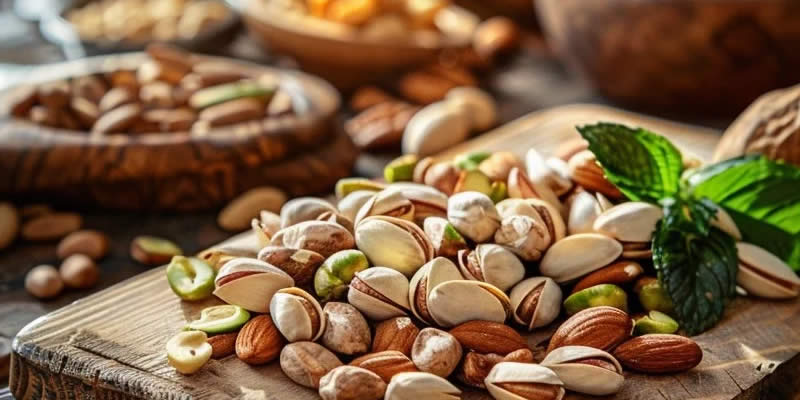
Nuts, such as almonds, walnuts, cashews and peanuts have a high fiber content and contain small, hard particles that do not digest easily. These particles can remain in the colon and interfere with visibility during the colonoscopy.
Fruit seeds
Seeds can stick to the colon lining or get trapped in small pouches in the intestine, making it difficult to completely cleanse the bowel.
Fruit skins
The skins of fruits like apples, pears, and grapes are often high in insoluble fiber, which adds bulk to stool and can lead to incomplete bowel cleansing.
Raw vegetables
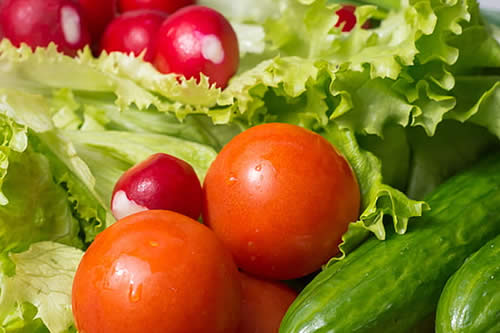
Raw vegetables contain insoluble fiber, which adds bulk to stool and can take longer to pass through the digestive system, potentially leaving remnants in the colon. Lettuce, carrots and cabbage are some of the raw vegetables to avoid. Avocado is high in fiber but easy to digest, therefore many healthcare providers still allow them on a low fiber diet.
Whole Grain Foods
Whole wheat bread (including pizza bases and bread crumbs), whole grain pasta, whole grain noodles, brown rice, and quinoa are examples of whole grain foods that must be stopped while preparing for your colonoscopy. Popcorn should also be avoided during this time. Whole-grain foods contain high levels of fiber that increase stool bulk.
Cereals
Cereal foods like granola and oatmeal are high in fiber while some other cereals contain dried nuts and seeds in them.
Beverages to Avoid
Coloured Liquids
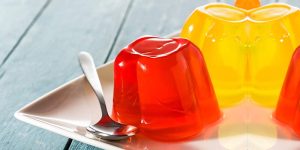
Beverages with red, blue, or purple dyes can stain the lining of the colon, making it harder for doctors to detect abnormalities such as polyps or lesions. Steer clear of red sports drinks, blue energy drinks, purple fruit-flavored sodas, and artificially colored slushies close to your colonoscopy date.
Alcohol
Alcoholic beverages can dehydrate the body, which is problematic since staying hydrated is crucial for a successful preparation. It can also irritate the stomach lining and disrupt digestion.
Juices with Pulp
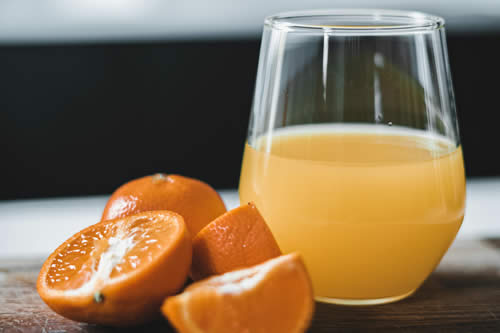
Pulp, which is present in some orange and pineapple juices, contains fiber, which negatively impacts the visibility of the colon.
Dairy Products
Dairy beverages like milk and yogurt-based drinks are sometimes difficult to digest because of their lactose content. Consuming dairy prior to your colonoscopy may lead to abdominal discomfort and bloating that makes the procedure uncomfortable.
Helpful Tips to Help You Adhere to the Diet
Adjusting to the dietary restriction necessary for a successful colonoscopy can be challenging, especially if you must avoid some of your favorite foods and drinks. However, this challenge is not insurmountable. Here are some tips to keep you on track:
Ensure meal planning
Discuss with your medical providers to have a clear picture of what to eat and avoid as you prepare for your colon exam. Use the information to make a detailed plan that will span the five days before your test.
Go Grocery Shopping Early
After planning your meals, ensure you go grocery shopping early so you have everything needed to prepare your meals. This helps you conserve strength and reduce the stress of this transitory period of dietary changes.
Stay hydrated
Maintaining fluid intake is crucial to your colonoscopy preparations. Drink water and clear electrolyte-rich fluids frequently to maintain good hydration levels and combat dehydration.
Conclusion
A successful colonoscopy begins with proper dietary preparation, ensuring your colon is free of residue for accurate results. By diligently avoiding high-fiber foods and certain beverages and staying hydrated, you set the stage for a smooth procedure.